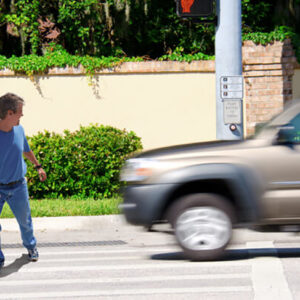
In 2019, about 10% of American workers said that they had to drive at least an hour each way for their daily commute. This is a lot of driving time that you could potentially get into an accident. However, you can protect yourself by practicing some road safety rules.
Keep reading to discover all the things you need to know to have a safe work commute.
Give Drivers Space
It can be hard to predict what other drivers are going to do, so one aspect of defensive driving is to always give other drivers space. Whether you’re driving on the freeway or sitting in bumper-to-bumper traffic, you need to leave some distance between your car and the one in front of you.
When you do this, you’re less likely to get into an accident because you’ll have more time to react. Even if you’re not actively driving, leaving some space between you and the next car can prevent you from hitting another car if someone hits you from behind.
While driving, you’ll want to keep at least three to four seconds of distance between you and the car in front of you. To do this, choose a fixed object on the road, like a light post.
Track when the car in front of you passes it, and then count how many seconds it takes for you to drive past it. If it’s less than two seconds, you’re following the car too closely.
While three to four seconds is a good rule of thumb, there are different conditions on the road that might make you want to give some more space. For example, if it’s foggy, snowing, or raining, you may want to give some extra space just in case.
Keep Up With Car Maintenance
Another way to protect yourself is to stay up-to-date with your car maintenance. For example, always get your car’s oil regularly changed. Changing the oil ensures that your car’s parts are always lubricated, which reduces the heat and friction that your car produces while you’re using it. This reduces the chance that your vehicle will overheat. Depending on the vehicle and the type of oil you use, you should replace it every three months or 3,000 miles, whichever comes first. You may be able to drive a little bit farther than that, but you should schedule your oil change as soon as possible. While you get your oil changed, have them rotate your tires and check the tire pressure. Taking care of your tires ensures that you don’t have any blow-outs that could be deadly on the road.
Upgrading and maintaining your tires makes sure that you also have good traction on the road to maneuver in dangerous conditions. You should also check the tread of your tires. If your tires are starting to lose the tread, that means they’re also losing their traction, and you’re more likely to slip while driving.
Don’t Be Aggressive
You should also practice defensive driving, which means that you shouldn’t engage in any aggressive driving. It’s easy to get caught up in road rage with another driver, especially when sitting in heavy traffic.
However, it’s safer for you to just be courteous and let it go. Don’t cut off drivers, fail to yield, tailgate, or make any gestures that could upset someone else. Instead, take a deep breath and remain calm so that you don’t end up in a dangerous accident.
Rely on Technology
Technology can help you have a safer commute sometimes by alerting you to alternative routes that may avoid road traffic. You can use these apps to monitor different routes and choose the best one. Some of the popular apps include Inrix Traffic or Waze. You can also use different apps to help you remain calm or focused, like Spotify.
You can also use the technology in your car, like lane assist or blind spot detection to keep you safer. Just remember to not look at your phone or text and drive because this can cause a serious accident.
Plan Ahead
Before you leave your house to go to work, make a small plan for your commute. Take time to check the traffic and ensure that there aren’t any accidents that are going to impede your commute. You’ll also want to check the weather to see if you can leave at a different time to avoid any nasty storms. You may also want to check for any road closures that could be on your route.
Have alternate routes planned out in advance so that if something does happen, you don’t have to scramble and know which way you should go. You always want to choose the safest route, and sometimes that might be the less congested route.
Stay Focused
One of the best ways to stay safe on your drive is to stay focused during your commute. There are so many things that can change in an instant, and you need to always be paying attention. It can be hard to focus on your commute because it’ll feel like your regular routine. However, one study found that most accidents happen within a 4.6-mile radius of the home. This happens because most people are stuck in a routine and may not be paying as close attention as they would in a familiar space.
You should avoid texting and driving, using your GPS and driving, or eating and driving. Keep your eyes on the road and always be monitoring your surroundings. For example, there may be a new bicyclist on the road, and you don’t want to end up hitting them. If you were once a bicyclist who was hit, this is a great post to read on.
Have an Escape Option
In every driving situation, you also need to have an escape plan. For example, if you’re sitting in bumper-to-bumper traffic, you might notice that a car is barreling toward you and doesn’t look like they are going to stop. You need to have a way to get yourself out of that situation. It might be leaving enough space for you to maneuver your car into a different lane. You might want to leave your car as soon as possible. You should always be thinking about what you would do if you could potentially see an accident coming before it happens.
Anticipate Other Drivers
Another aspect of defensive driving is to always try to anticipate what other drivers are going to do. For example, keep an eye out for drivers who are speeding, tailgating, or showing any other signs of aggressive driving. You also want to watch out for any drivers who are swerving on the road. They may not be paying close attention, or they could be intoxicated. They may not notice you and could cause an accident.
You should always assume the worst on the road as well. Assume that the other drivers will take risks or make a mistake on the road. For example, they could run a red light or blow through a stop sign. If you can anticipate these scenarios, you can take action before they actually happen. For example, check the intersection before you go through a stop light. If someone doesn’t look like they’re going to stop, you should wait a few seconds to see if they actually do.
There are other clues that can give you hints for what a driver might do next as well. For example, if you see them looking in their side mirror or over their shoulder, they may be trying to change lanes. If they don’t see you, they could end up hitting you. If a driver starts slowing down, they may be getting ready to take a turn. They don’t always use their turn signals, but noticing cues like that can help you react properly and avoid an accident.
Trust Your Instincts
At the end of the day, you need to rely on your instincts. If you feel like someone is going to hit your car, you need to react safely. If you suspect that there is any criminal activity going on, you should call the right authorities as soon as possible.
Discover More Ways to Have a Safe Daily Commute
These are only a few common ways to have a safe daily commute, but there are many other tips that can keep you safe. Commuting has so many variables and factors that it can be hard to prepare for them all. However, if you’re interested in finding more safety tips, check out some of the articles on our website!