Winning what’s often referred to as the ‘Green Nobel,’ Indian environmental activist Alok Shukla has been recognized for his extraordinary efforts in saving a 657 square-mile forest from the encroachment of 21 coal mines. His success in preserving the Hasdeo Aranya forests underscores the critical importance of grassroots activism in environmental conservation.
India, a nation grappling with frequent power outages, faces immense pressure to expand its power generation capabilities. The Modi regime has aggressively pursued this goal, installing various forms of energy infrastructure, including some of the world’s largest solar energy projects. However, coal remains a significant part of India’s energy mix, and the Hasdeo Aranya forests, known as the “Lungs of Chhattisgarh,” are rich in coal deposits.
The Chhattisgarh state government had been exploring 21 proposed coal mining blocks across 445,000 acres of biodiverse forest. These forests not only support a vast array of wildlife, including tigers, elephants, sloth bears, leopards, and wolves, but they also provide essential resources for approximately 15,000 indigenous Adivasi people. For the Adivasi community, these forests are integral to their cultural and traditional ways of life.
Amidst this backdrop, Alok Shukla emerged as a formidable advocate for the environment. As the founder of the Save Hasdeo Aranya Resistance Committee, Shukla has spent the past decade tirelessly campaigning for the forest’s protection. His efforts included a range of creative and persistent protest actions, from organizing sit-ins and tree-hugging campaigns to encouraging couples to write #savehasdeo on their wedding invitations. The movement leveraged the power of social media to amplify their message and garner widespread support.
Shukla’s activism extended beyond public demonstrations. He strategically engaged with the legislative process, emphasizing the constitutional obligations of India’s government to protect tribal people and their environments. His advocacy aimed to remind legislators of their duty to uphold these protections enshrined in the constitution.

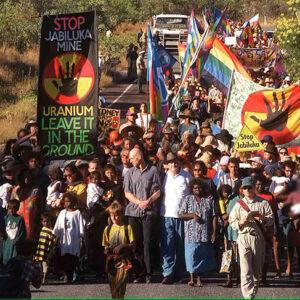
A pivotal moment in this struggle was Shukla’s proposal to establish the Lemru Elephant Reserve within the Hasdeo forests. This reserve was intended to protect critical elephant migration corridors and, if approved, would effectively cancel three of the 21 proposed mining projects. To galvanize support, Shukla and the Adivasi community embarked on a remarkable 160-mile protest march along a national highway, heading towards the Chhattisgarh state capital of Raipur.
The protest march proved to be a turning point. Midway through their journey, news arrived that the state legislature had not only agreed to the creation of the Lemru Elephant Reserve but had also unanimously decided to reject all existing coal mining proposals. The legislature announced that all mining licenses in the Hasdeo region would be canceled, marking a significant victory for the movement.
“We had no expectations, but the legislative assembly voted unanimously that all of the coal mines of Hasdeo should be canceled, and the forest should be saved,” Shukla recounted in an interview with the Goldman Prize media channel. “That was a very important moment and happy moment for all of us.”
Shukla’s triumph has earned him the prestigious 2024 Goldman Environmental Prize, an award he shares with five other remarkable environmentalists from Brazil, the United States, South Africa, Australia, and Spain. This accolade recognizes his dedication and the collective efforts of the Adivasi community to safeguard their homeland.
The success of the Save Hasdeo Aranya Resistance Committee serves as a testament to the power of community-driven environmental activism. It highlights the importance of protecting indigenous lands and preserving biodiversity in the face of industrial expansion. Shukla’s story is an inspiring example of how determined individuals can drive significant change and ensure the protection of our planet’s precious ecosystems for future generations.
What are your thoughts? Please comment below and share this news!
True Activist / Report a typo