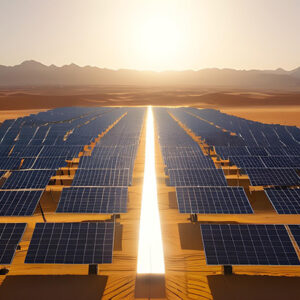
According to the statistics from the SEIA, solar installation prices are currently at the highest they’ve been since 2014.
Fortunately, price increases needn’t deter you from enjoying the benefits of solar power in your home. You can still enjoy the power of sustainable energy with more affordable passive solar energy.
If you’re wondering, ”What is passive solar energy, anyway?”, here’s a concise solar energy guide to answer your question.
What Is Solar Energy?
In simple terms, solar energy refers to energy derived from the sun.
This infinitely renewable, clean energy produces no carbhttps://trueactivist.com/this-gym-is-powered-by-solar-energy-and-human-kinetic/on emissions. It also helps reduce your reliance on fossil-fuel-derived sources of electricity.
Solar panels are the best-known method for accomplishing this. While PV panels have few moving parts, they’re still a type of active solar energy.
That’s because they rely on the motion of electrons to create a usable electric current. Go here, https://blueravensolar.com/, to discover more about how this solar energy works.
Passive solar energy refers to using the sun’s abundant energy without involving any mechanical interventions. You don’t need any devices to collect and store passive solar energy. It uses thermodynamics to transfer the sun’s energy into a form we can use.
What Is Passive Solar Energy Used For?
Passive solar energy works best for heating and cooling homes located in warm climates. It relies on natural resources to heat your home with the sun’s energy.
If you’ve ever parked your car in direct sunlight on a hot day, you’ve experienced the potential of passive solar energy.
You can use the same principle to warm your home or cool its interior spaces by blocking the warmth from the sun.
Implementing Passive Solar at Home
Installing south-facing glazed windows is the best way to maximize passive solar energy for heating purposes. These windows allow heat into your home and keep it there.
For best effect, your window area should equal at least 7% of your home’s floor space. Applying energy-efficient window film and upgrading your home’s insulation will help you maximize the benefits of passive solar heating.
It’s best to remove overhangs from the south side of your building to enhance your home’s potential for passive solar heating. When you want to cool things down, solar shades or blinds block the heat and promote a more comfortable environment.
Do you already have energy-saving measures such as a thermal heat pump in place? Passive solar energy can help reduce your need for mechanical heating and cooling devices even further.
In this way, if you’re considering installing solar panels, you can save by installing fewer PV panels to power your HVAC.
Maximizing Your Environmental Efforts
By using energy directly from the sun, passive solar measures allow you to warm or cool your home more affordably than PV panels do. They can also enhance the benefit of other eco-friendly initiatives you already have in place.
Are you interested to explore more eco-friendly ways to live? Browse our blog for more of the best environmental news and answers to more questions like, “What is passive solar energy?”